Lee Zeldin Completes Visits to All 50 States
Emphasizing Local Input, Emergency Response, and Policy Change

Image via ferrantraite from Getty Images Signature
EPA Administrator Lee Zeldin has completed visits to all 50 states, fulfilling a commitment he made after being confirmed by the Senate on January 29, 2025. The milestone caps a year marked by extensive travel, major environmental emergencies, and a series of policy actions supported by the Trump administration. Supporters have highlighted the outreach as a sign of accessibility, while critics and some environmental groups have questioned the pace and direction of the EPA’s policy shifts.
The EPA said Zeldin’s travel was aimed at hearing directly from communities about environmental concerns ranging from water infrastructure to wildfire recovery. “From business owners to trade workers, elected officials to residents impacted by environmental challenges, I’ve been soliciting feedback on any and every way the Trump EPA can fix everything,” Zeldin said in a statement
Agency officials have tied several policy moves to insights gathered along the way, including:
- A Memorandum of Understanding between the United States and Mexico to address the long-running Tijuana River Sewage Crisis.
- A shortened remediation timeline for the West Lake Landfill Superfund Site in Missouri.
- The rescission of Section 179(b) guidance on international air pollution, a move intended to aid western states such as Utah and Arizona.
- Updated Diesel Exhaust Fluid (DEF) guidance to address engine derating issues cited by farmers and truckers.
Supporters of the changes say they provide overdue regulatory clarity and reduce burdens on states and industries. Critics argue that the EPA has moved too quickly to roll back certain air-quality protections and that the long-term environmental impacts remain unclear.
Spotlight on Energy, Mining, and the AI Infrastructure Boom
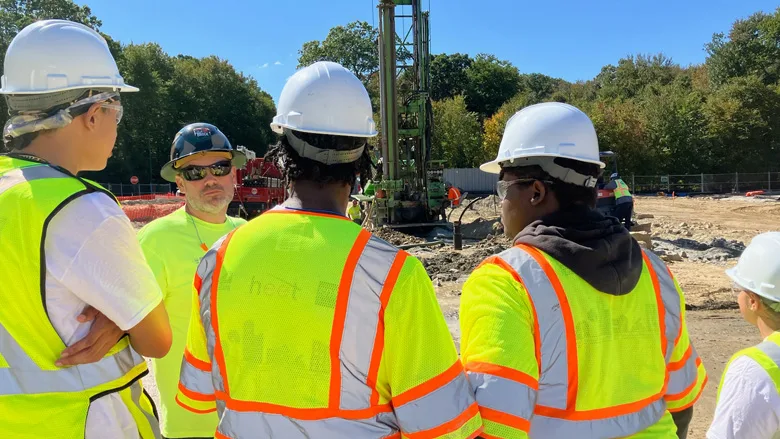
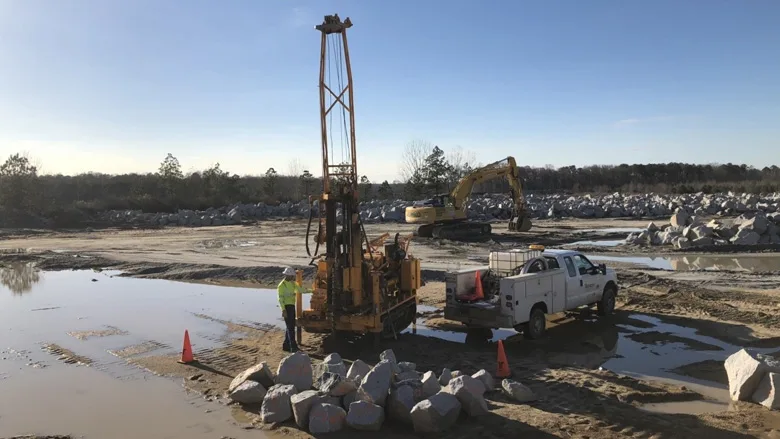
Zeldin’s travel also included stops at groundbreakings for data centers, nuclear facilities, and mining operations—projects the EPA says reflect “record-breaking investment” in U.S. energy, manufacturing, and AI-related infrastructure.
He visited data-center construction sites in West Memphis, Arkansas, and Cheyenne, Wyoming, as well as nuclear energy projects in Idaho Falls, Idaho. Mining operations in Utah and Kentucky were also on the itinerary, highlighting renewed interest in domestic mineral development. While the administration frames these projects as part of an economic and energy resurgence, environmental advocates have urged caution about impacts on water resources, emissions, and land use.
Emergency Response: From Wildfires to Water Systems
Much of Zeldin’s early-year travel focused on environmental disasters and cleanup operations. His first trip as Administrator was to East Palestine, Ohio, alongside Vice President JD Vance, on the second anniversary of the train derailment and chemical spill.
Following catastrophic wildfires in Los Angeles, Zeldin traveled to oversee EPA-led cleanup work. The agency reported that over 13,000 properties were approved for Phase 2 debris removal in less than a month. In Western North Carolina, he reviewed post-Hurricane Helene water infrastructure repairs, while visits to Flint, Michigan, and Maui, Hawaii, centered on long-running recovery efforts from drinking-water crises and wildfires.
Local leaders in several communities welcomed the federal engagement, while some advocacy groups have pushed for stronger long-term commitments to environmental monitoring and public health protections once emergency operations end.
In each state, Zeldin met with EPA regional teams, toured Superfund and Brownfields sites, and reviewed geographic program work. The EPA describes this as an effort to connect national policy decisions with regional implementation.
“It’s been an honor to get to every corner of this great nation,” Zeldin said. “No challenge is too large, and no ask is too small.”
But Zeldin’s approach has also drawn mixed reactions. Some state and tribal officials say they appreciate the direct access and responsiveness, while others argue the administration’s priorities—especially related to air and climate programs—shift resources away from longer-term environmental protections.
Beyond domestic travel, Zeldin visited Mexico City to finalize the U.S.–Mexico agreement on the Tijuana River and Toronto, Canada, for the G7 Energy and Environment Ministers’ Summit.
With his 50-state tour complete, Zeldin positions the effort as evidence of an EPA trying to reconnect with local communities. Supporters call it a refreshing return to in-person engagement; critics see it as part of a broader strategy to reshape environmental policy in ways that favor industry and accelerated development.
Either way, his travel underscores the degree to which environmental oversight—and the communities affected by it—remain central in national political debates heading into 2026.
Looking for a reprint of this article?
From high-res PDFs to custom plaques, order your copy today!