New Mexico Sits on a Geothermal Goldmine
Here’s What It’ll Take to Tap In
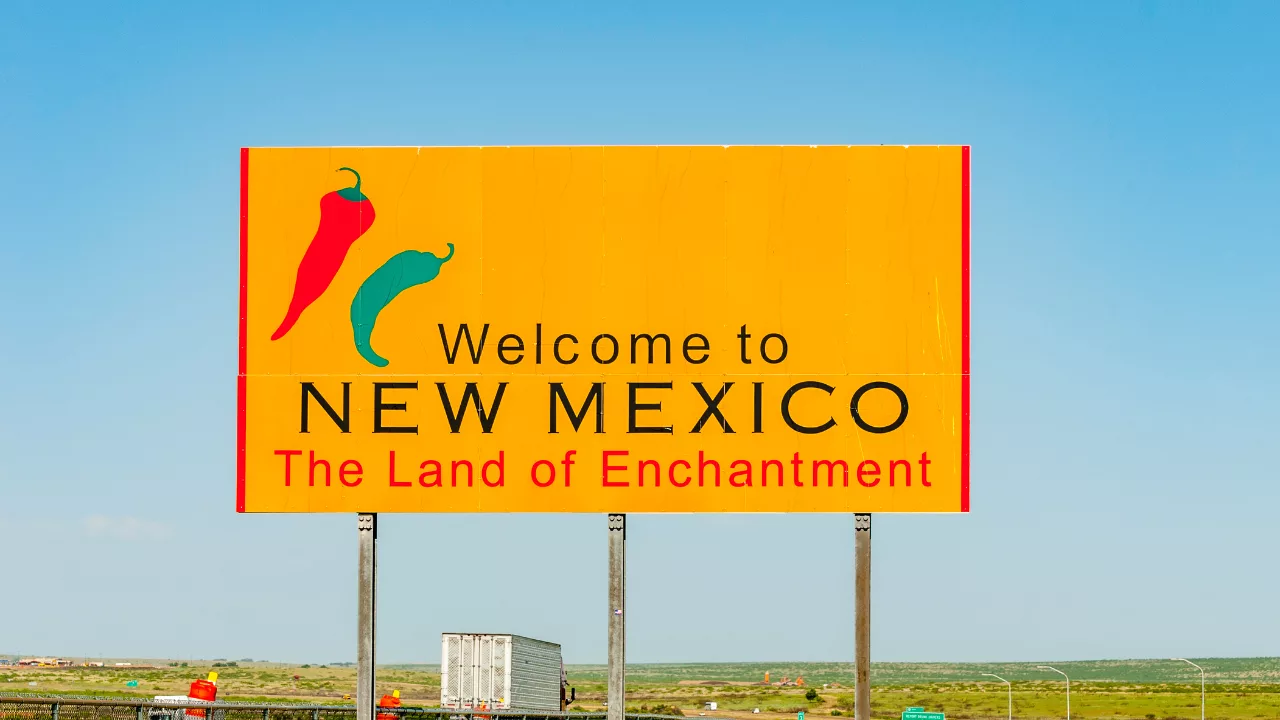
Image via RiverNorthPhotography from Getty Images Signature
New Mexico may be famous for its oil and gas, but there’s another energy source bubbling under the surface — literally. A recent report highlights that the state has enormous untapped geothermal potential, and with the right moves, it could become a major player in clean, 24/7 power.
Geothermal energy harnesses heat from deep underground to produce electricity. Unlike solar and wind, it’s not dependent on weather, and once the systems are in place, they produce virtually zero emissions. It's not a new technology — geothermal power has been around for more than a century — but in New Mexico, it's only just starting to gain serious traction.
According to a joint report from Project InnerSpace, New Mexico Tech, and the state’s Bureau of Geology and Mineral Resources, the state could eventually produce a whopping 163 gigawatts of geothermal energy. That’s enough to power over 120 million homes — far more than New Mexico’s population, opening the door for energy exports and private investment opportunities like data centers.
Some of the best geothermal prospects are in counties like Santa Fe, Taos, Rio Arriba, and Sandoval. But right now, New Mexico only has one utility-scale geothermal plant — a modest operation in Lordsburg. That's beginning to change, though. In June, tech giant Meta struck a deal with XGS Energy to boost geothermal development in the state.
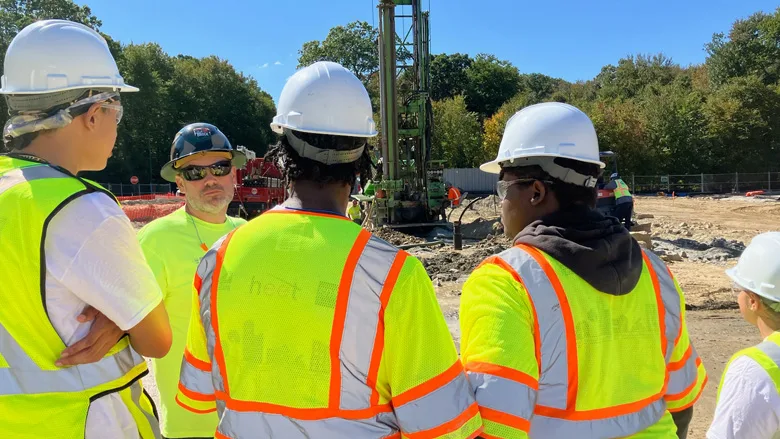
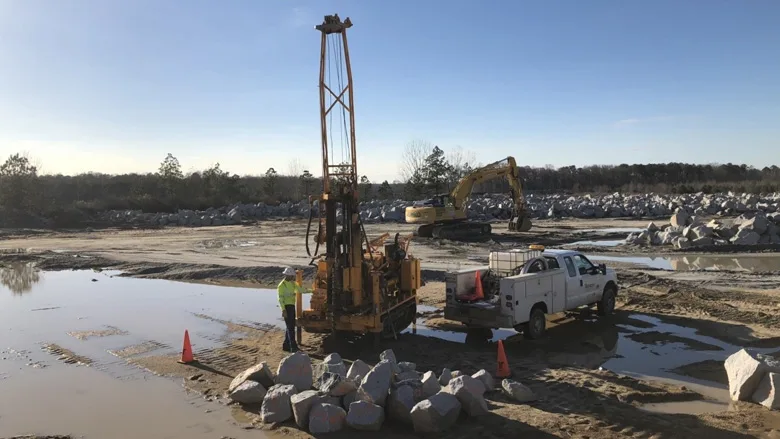
One especially promising approach is called “advanced geothermal” or “hot dry rock” geothermal. This method doesn’t rely on natural underground water sources. Instead, engineers drill deep into hot rock formations and inject water to create artificial reservoirs. These systems take advantage of New Mexico’s unique geology — specifically, the Rio Grande Rift, which brings heat closer to the surface, making drilling easier and more cost-effective.
To picture how deep these wells go: some need to reach 15,000 feet below the surface — deeper than the state’s tallest mountain, Wheeler Peak, is tall.
The technology is still developing, and there are some hurdles to overcome. Drilling that deep is expensive, and there’s some risk as the science evolves. Engineers are keeping a close eye on a pioneering project by Fervo Energy in Utah, where they're aiming to generate 100 megawatts next year and 400 more by 2028.
If advanced geothermal proves scalable, it could be a game-changer. New methods allow engineers to drill both vertically and horizontally, increasing contact with heat sources and improving energy output — all while using skills and techniques already common in the oil and gas sector.
That crossover could be a huge win for New Mexico. The state is still heavily dependent on oil and gas revenues, but with fossil fuel production expected to decline sharply by 2035, the pressure is on to diversify the energy mix.
State energy leaders are taking the opportunity seriously. In 2024, New Mexico’s Energy, Minerals and Natural Resources Department began developing new permitting rules and launched a grant and loan program to support geothermal projects. Officials say that government support, combined with private investment, will be key to building out the expensive infrastructure needed for geothermal power plants.
There’s also growing political support. Lawmakers see potential for geothermal to create jobs in rural areas — especially with help from the oil and gas workforce already skilled in deep well drilling.
Still, many admit that geothermal won’t be an overnight fix. It’s going to take serious planning — including mapping the state’s best geothermal hotspots, figuring out land ownership, and connecting everything to existing transmission lines.
Despite the challenges, New Mexico’s clean energy momentum is building. Already, around 40% of the state’s electricity comes from renewables like solar and wind. Leaders believe geothermal could fill in the rest, creating a fully clean grid — without pulling the plug on oil and gas just yet.
Geothermal might not be mainstream now, but if the state plays its cards right, it could soon be a powerful — and reliable — part of New Mexico’s energy future.
Looking for a reprint of this article?
From high-res PDFs to custom plaques, order your copy today!