Silver Named Critical Mineral as Apollo Pushes Forward on Major U.S. Project
Federal designation could streamline development of Apollo Silver’s Calico Project in California
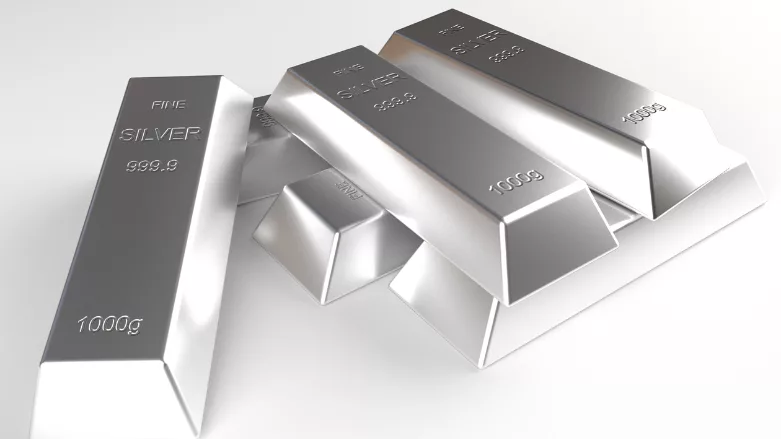
Image via wydynd from Getty Images
Silver has just been granted a major vote of confidence from the U.S. federal government - and it could be a game-changer for domestic mining efforts. On November 6, the U.S. Department of the Interior announced the addition of 10 minerals, including silver, to the U.S. Geological Survey’s (USGS) updated 2025 List of Critical Minerals.
This marks the first time silver has been officially recognized as “critical” to the nation’s economic and national security - a move that’s expected to direct more federal attention, resources, and policy support toward the domestic silver mining industry.
One company paying close attention: Apollo Silver Corp., which is advancing the Calico Silver Project in San Bernardino County, California. The project contains what Apollo says is the second-largest primary silver deposit in the United States, based on recent mineral resource estimates.
“This development will not only bring increased investor attention to the sector but will also help boost Apollo's profile of its Calico Silver Project,” said Ross McElroy, Apollo Silver’s President and CEO. “The inclusion of silver on the Critical Minerals List strengthens the project’s case for consideration under the Fast-41 program.”
What the “Critical Minerals” Designation Means
Being listed as a critical mineral isn’t just symbolic. It opens the door to potential regulatory benefits, including access to programs like FAST-41, a federal initiative designed to accelerate permitting timelines for major infrastructure and resource projects deemed strategically important.
In addition, it often comes with policy levers such as increased government investment, tax incentives, and support for domestic supply chain development. For silver, which has historically been overlooked in critical mineral discussions despite its heavy industrial use, this marks a significant shift in how Washington views its strategic value.
Silver plays a key role in sectors such as electronics, solar energy, electric vehicles, and even military applications, making its availability critical to the green economy and national defense. The U.S. imported roughly 64% of its silver supply in 2024, according to government data. Reducing this reliance on foreign sources is now a clearer priority.
Apollo’s Calico Project: Well-Timed Progress
Apollo Silver’s Calico Project may be uniquely positioned to benefit from this new policy landscape. The project, located in the Mojave Desert region of southern California, recently updated its Mineral Resource Estimate (MRE).
The revised figures show:
- 125 million ounces of silver in Measured and Indicated resources (from 55 million tonnes grading 71 g/t), and
- An additional 58 million ounces of Inferred resources (from 17.6 million tonnes at the same grade).
These figures, announced in September and October of this year, reinforce the scale of the project and its potential contribution to U.S. supply security. If developed, Calico could meaningfully reduce America’s dependence on imported silver.
However, developing a large-scale mine in California comes with challenges. The state has some of the most rigorous environmental regulations in the U.S., and community engagement is essential. Fast-41 eligibility if approved, could help Apollo navigate these hurdles more efficiently by coordinating agency reviews and improving timeline transparency.
A Boost for Silver and the Sector
The inclusion of silver on the critical minerals list may also help reshape investor sentiment. For years, silver has largely been seen through the lens of precious metals and price volatility, rather than as a strategic industrial material. That may begin to change as the federal government sends clearer signals about its importance to technology and defense.
Still, some observers caution against overestimating the immediate impact. Being added to the list doesn’t guarantee funding or permit approval — it simply positions a material and related projects as policy priorities. Projects must still go through full environmental reviews and community consultation.
That said, companies like Apollo are optimistic that this recognition will accelerate support for domestic production.
“Silver’s inclusion highlights its irreplaceable role across both industrial and defense industries,” McElroy said. “It sends a strong signal to both the public and private sectors that this is a metal worth investing in.”
As the energy transition continues and demand for metals with conductive, antimicrobial, and photovoltaic properties rises, silver could start to play a much more central role - not just on commodity markets, but in national strategy.
Looking for a reprint of this article?
From high-res PDFs to custom plaques, order your copy today!