Major Copper Projects in Argentina and the Global Game
Glencore Seeks $13 Billion in Incentives
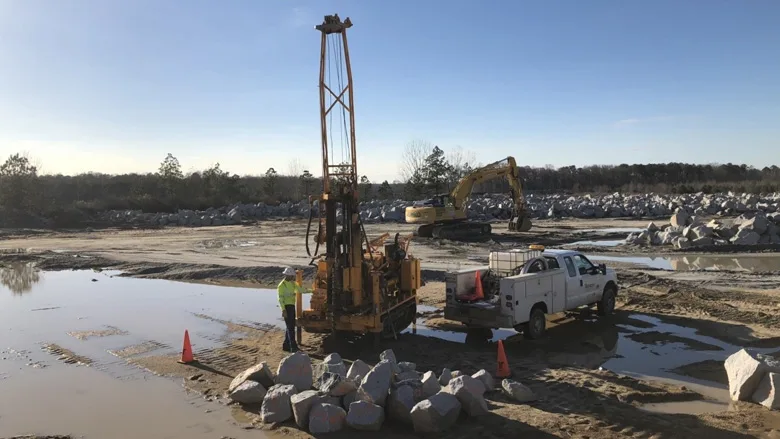
Image via Sandsun from Getty Images
Global commodities giant Glencore Plc has filed applications to include two major copper ventures—El Pachón in San Juan and Agua Rica in Catamarca—under Argentina’s RIGI program (the Large Investment Incentive Regime), triggering eligibility for tax, customs, and currency exchange benefits.
The projects carry an estimated capital cost of over $13 billion ($9.5 billion for El Pachón and $4 billion for Agua Rica), marking a bold push by Glencore as Argentina seeks to regain investor confidence under President Javier Milei’s reformist agenda. “This framework has changed the investment landscape in Argentina, providing a key catalyst to attract major foreign investment to the country,” declared CEO Gary Nagle in a statement.
Economy Minister Luis Caputo noted Glencore’s bid adds to the growing roster of RIGI proposals, bringing the total to 20 projects with combined investments of $33.6 billion.
Notably, on August 7, Argentina eliminated export duties on mining products—including copper—through Decree 563/2025, effectively setting the tax rate to 0% and scrapping a copper-specific export regime that had never come into effect. This reform further sweetens the terms for large-scale copper development.
US Copper Tariffs: Global Flashpoint, Limited Impact on Argentina’s Mines
Simultaneously, copper markets are feeling tremors from trade policy shifts in the United States. On August 1, the US enacted a sweeping 50% tariff on copper-intensive products—such as pipes, wires, and electrical components—but crucially excluded raw copper concentrates and cathode forms essential for mining operations.
This distinction has global market implications: while the tariff shields US manufacturers and inflates domestic prices, it does not directly penalize Argentina’s core copper exports, leaving downstream producers like Glencore exposed to less immediate friction in trade.
Still, the tariff’s ripple effects are notable:
Market premiums: US copper prices surged, trading 9–13% above global benchmarks, benefitting domestic producers like Freeport-McMoRan, though increasing pressure on global demand.
Market tightness: Inventories are being drawn to the US ahead of the tariff, tightening supply in other markets. Copper futures climbed sharply when the tariff was announced in July.
Despite this, Argentina’s copper mining potential remains largely unencumbered by the US policy. Government forecasts place copper exports growing to ~$3 billion by 2029 and peaking at nearly $11.7 billion by 2033. The export boom is part of a broader upward trajectory, with Argentina hitting record levels in mining exports—especially from gold, lithium, and copper.
Glencore’s RIGI applications for El Pachón and Agua Rica arrive at a pivotal moment. Argentina’s elimination of export duties and investor-friendly framework reinforce its copper ambitions. Meanwhile, while US tariffs grip global copper discourse, their limited scope means Argentine raw exports remain competitive.
The country’s next steps—particularly in infrastructure development—will be critical in converting this legislative momentum into mining reality.
Looking for a reprint of this article?
From high-res PDFs to custom plaques, order your copy today!