Trump’s 50% Copper Tariff Takes Effect August 1st
Will this raise operational costs for the drilling industry?
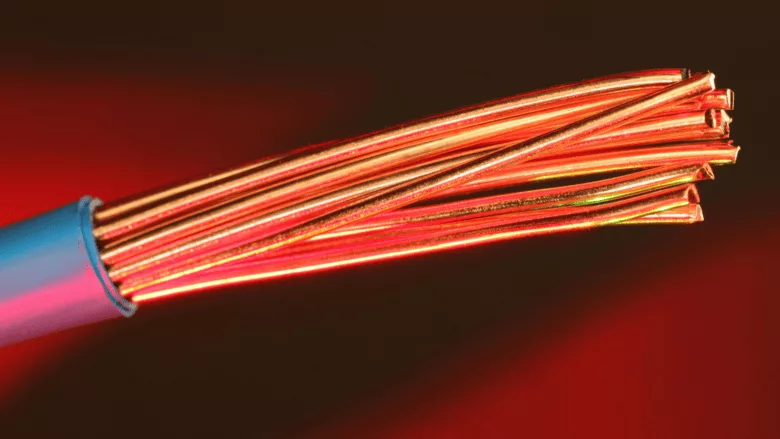
Image via Nic Wood from Pexels
President Donald Trump’s newly announced 50% tariff on imported copper, set to take effect August 1, is sending ripples through key sectors of the U.S. economy—including the drilling industry, where copper plays a less visible but vital role in operations.
Copper prices jumped more than 2.6% following the announcement, continuing a sharp rally that began after Trump cited national security concerns as justification for the trade measure. While copper isn’t used in the same volumes as steel or iron in drilling, it is embedded in the systems and technologies that keep rigs running efficiently and safely.
In drilling operations, copper isn’t a headline material—but it's critical nonetheless. Drill rigs, especially electric or hybrid types, depend on copper wiring for power distribution, motor control, and onboard electrical systems. Submersible pumps used in water well and geothermal drilling also feature copper windings and cables.
Thermal regulation is another area where copper is essential. Its high thermal conductivity makes it a preferred material in heat exchangers and cooling units—components crucial for equipment that operates under heavy mechanical stress and heat buildup.
Copper also appears in smaller but no less important forms: in lubricants and thread compounds to prevent seizing in pipe connections, in downhole sensors and communication tools, and even in corrosion-mitigation systems such as cathodic protection drilling, where copper rods and grounding wires are used.
With the U.S. importing nearly half of its copper—much of it from countries like Chile—the tariff is expected to widen the cost gap between domestic and global copper supplies. Analysts estimate U.S. copper buyers could soon be paying over $15,000 per metric ton, compared to about $10,000 elsewhere.
This price disparity may significantly impact equipment manufacturers and contractors in the drilling space. "Electrical components and cooling systems are where we’ll see the cost pressure first," noted an industry analyst. "For operators running electric or hybrid rigs, that could directly affect capital expenditure and maintenance budgets."
While the Trump administration says the tariff aligns with broader efforts to reshore critical materials, the U.S. lacks sufficient domestic copper production to replace imports anytime soon. Experts believe new mine capacity may not be online until the late 2020s—leaving industries like drilling exposed to elevated costs for the foreseeable future. Many construction and drilling industries are preparing for a more expensive operating environment, particularly for electrically intensive equipment or projects requiring specialized corrosion protection.
For now, copper remains a quietly indispensable input in the drilling industry—one whose cost just became a lot louder.
Looking for a reprint of this article?
From high-res PDFs to custom plaques, order your copy today!