EPA Funds Effort to Reduce Fertilizer Runoff from Farms into Lake Erie
$3.7 million allocated to provide farmers with technical assistance at managing nutrient runoff

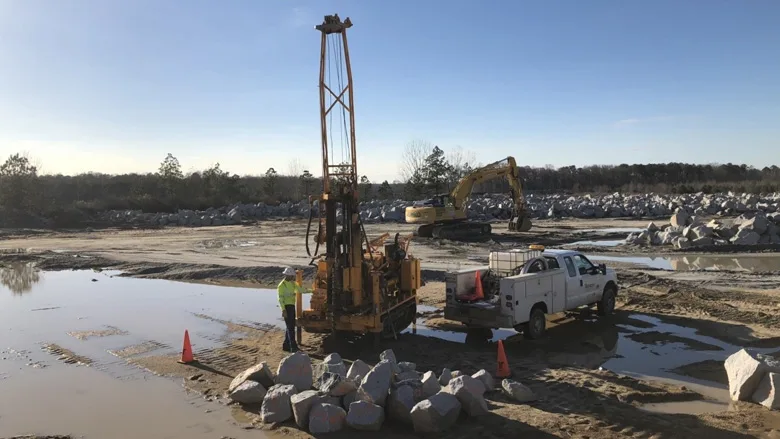
Image via Denis Tangney Jr from Getty Images Signature
More that $3.7 million in federal funds have been awarded to four organizations to provide farmers with technical assistance at managing fertilizer runoff from farmland into the Western Lake Erie Basin with the goal of reducing the runoff, which has been identified as the leading cause of algal blooms in Lake Erie.
On June 25, 2025, the Environmental Protection Agency (EPA) announced that $3.712 million has been allocated in grants to support efforts by four Michigan and Ohio organizations to keep “fertilizer on the fields,” said Anne Vogel, the EPA’s Region 5 administrator and Great Lakes national program manager.
“This funding helps farmers apply nutrients more efficiently, safeguarding the long-term health and sustainability of Lake Erie,” Vogel said in a written statement. “Keeping fertilizer on the fields is a win for farmers and a win for water quality,” she added.
The grant awardees are:
- Ohio’s Department of Agriculture has been awarded $1 million to employ four conservation agronomist positions within Ohio’s Maumee River watershed. Each position will be paired with a private sector agricultural retailer to help integrate conservation services into their business model. The agronomists will provide technical assistance on 300,000 acres of cropland in the watershed as part of the state’s H2Ohio program with the goal of reducing an estimated 10,000 pounds of total phosphorous entering the waterway.
- The Nature Conservancy (TNC) has been awarded $783,616 to utilize a farmer-led network of conservation advocates to directly engage 200 other farmers in peer-to-peer learning opportunities across Indiana, Michigan, and Ohio. The TNC is to deliver technical training to 60 conservation professionals and will partner with Ohio State University to create new training and engagement materials.
- Lenawee County Soil and Water Conservation District (SWCD) has been awarded $937,691 to increase the district’s engagement with and provide and technical assistance to Michigan farmers and agricultural retailers, according to the EPA. The funds will support two staff positions for four years. The SWCD is to promote effective fertilizer use and develop an easy-to-use phosphorus management plan template that retailers can use with their clients.
- Regents of the University of Michigan has been awarded $990,817 to provide technical resources, professional development, and web-based tools to track nutrient management plans through five conservation districts, with the goal of increasing the number of acres with nutrient management plans in Michigan's portion of the basin by 2028.
Many of the grant recipient say their organizations are eager to engage farmers with the gal of increasing the “long-term health and sustainability of Lake Erie.”
Jessica D’Ambrosio, the Ohio agricultural director of the Nature Conservancy said the conservancy looks forward to working with farmers across the Western Lake Erie Basin to educate and support them in expanding edge of field practices, which are proven to improve water quality and reduce nutrient runoff.
“By implementing edge of field practices, like adding vegetated buffers or two-stage ditches, farmers can help make the Western Lake Erie Basin more resilient while further protecting their fields from short-term threats, including flooding and drought,” . D’Ambrosio said.
Furthermore, Brooke Bollwahn, the manager of the Lenawee Conservation District, said the grant will fund efforts by the conservation district to increase the ability to provide technical assistance and educational opportunities to the residents of Lenawee County and the larger Western Lake Erie Basin.
Alison Bressler, a collaborative research specialist at the University of Michigan’s Water Center says the center seeks to foster collaboration between local conservation districts, private technical service providers, and agricultural producers in order to reduce nutrient runoff, ensuring sustainable agricultural practices and a healthier Lake Erie.
Click here to read the announcement “EPA Selects Four Organizations to Receive $3.7 Million in Grants to Assist Farmers with Nutrient Management in Western Lake Erie Basin”.Looking for a reprint of this article?
From high-res PDFs to custom plaques, order your copy today!