According to the DOE, the plan could save Americans an estimated $11 billion and eliminate more than 125,000 words from the Code of Federal Regulations.
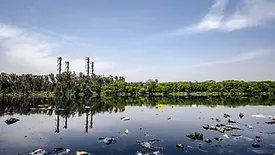
The EPA and a local developer have struck a $31 million deal to clean up Nashua’s long-contaminated Mohawk Tannery site, paving the way for new housing and cutting taxpayer costs by $10 million.
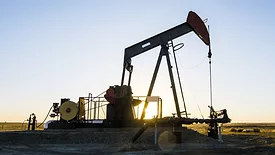
The Department of the Interior this week unveiled a sweeping policy change aimed at accelerating oil and gas leasing on federal lands—part of the Trump Administration’s ongoing push for energy dominance and economic growth.
The Resource Conservation and Recovery Act (RCRA), enacted in 1976, provides the EPA with the authority to control hazardous waste from its creation to disposal.
It’s only the first step toward erasing Biden’s key climate policy, but the politics are difficult amid the push for Trump’s tax cuts. The potential climate consequences are profound.
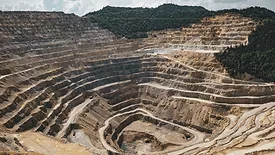
In 2023, nearly 99% of uranium concentrate used in the U.S. came from abroad, with key sources including Russia, Kazakhstan, and Uzbekistan. Vanadium, meanwhile, is almost entirely mined in countries like China, Russia, and South Africa.
The EPA has launched a 2025 reorganization to streamline operations, cut costs, and integrate science into policy—aiming for faster reviews and greater efficiency.
President Donald Trump has also directed a review of potential tariffs on critical mineral imports, further signaling a policy shift toward bolstering domestic mining as a matter of national economic and security strategy.