For everyday citizens, the EPA’s Brownfields work represents more than cleanup—it’s about reclaiming community spaces, creating safer neighborhoods, and opening doors to new job opportunities.
The EPA says the modification to the construction general permit (CGP) expands the list of areas covered by CGP rules to include construction projects in all “lands of exclusive federal jurisdiction,” which are defined as lands in the U.S. where the federal government retains exclusive jurisdiction in relevant respects.
Discover the link between groundwater and surface water, and learn about OSHA's efforts to reduce worker fatalities , and a heartfelt chat on fatherhood and drill crew management.
A federal panel that advises the president and Congress has written a letter to President Joe Biden calling for safe, portable water to border communities.
The effort by the Working Group resulted in 157 partner organizations contributing to the implementation of the National Water Reuse Action Plan (WRAP).



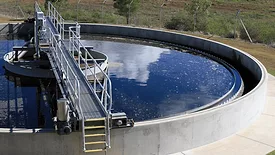

.webp?height=168&t=1734281816&width=275 "Southern border water issues")


