Boise Receives $1 Million Grant to Expand Geothermal Heating to Affordable Housing
Project could lower utility costs and expand the city’s long-running geothermal system
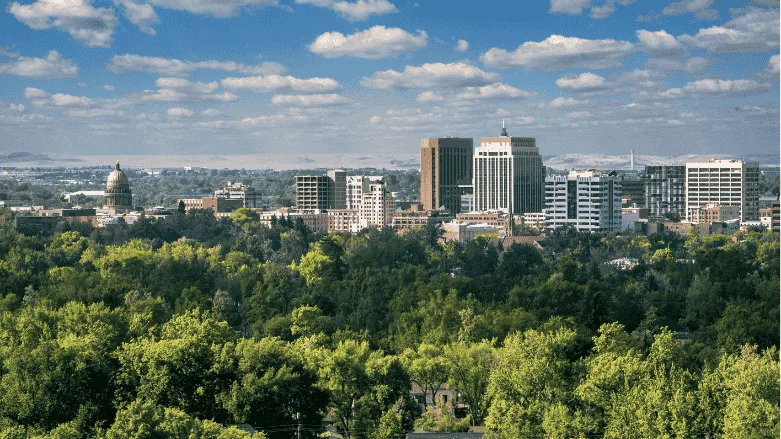
Image via Ben White from Getty Images Pro
The city of Boise is getting a boost to expand its geothermal energy network — and the next step could bring the technology into affordable housing.
City officials announced that Boise has been awarded $1 million through Bloomberg Philanthropies’ Mayors Challenge, a global competition that drew more than 600 participating cities. The funding will support a project aimed at using the city’s geothermal system to heat — and potentially cool — new multifamily affordable housing.
Boise already operates the largest municipally run direct-use geothermal heating system in the United States, supplying heat and hot water to roughly 100 buildings in downtown. The system taps naturally heated groundwater to warm offices, public buildings, and other facilities through a network of underground pipes.
The new initiative would extend that system to serve residents directly.
Expanding Access to Geothermal
While Boise’s geothermal network has operated for decades, connecting multifamily housing developments has historically been difficult. Regulatory hurdles and billing structures have made it challenging to extend the system to residential projects.
A feasibility study funded by Bloomberg Philanthropies helped the city analyze those barriers and explore ways to expand access. Based on that work, Boise is now pursuing a public-private partnership to pilot geothermal heating in an upcoming affordable housing development.
If successful, the project would mark the first time Boise’s direct-use geothermal system is used to heat multifamily affordable housing.
City officials are also exploring whether the system could provide cooling in addition to heating — a feature that could make geothermal more versatile for residential use.
The pilot project is expected to be built in Boise’s Lusk District, with completion targeted for 2028.
Officials estimate the development could serve up to 300 affordable housing units, potentially reducing utility costs for residents by as much as 80 percent compared with conventional heating systems.
The effort reflects a broader goal of linking housing affordability with energy costs, which can represent a significant portion of monthly household expenses.
A Long History with Geothermal
Boise’s geothermal district heating network has been operating for more than a century and is widely recognized as a national example of direct-use geothermal energy.
The system draws hot groundwater from wells in the Boise foothills and distributes it through miles of piping to buildings downtown. After the heat is used, the water is reinjected underground to help maintain the geothermal reservoir.
With the new funding, Boise is looking to expand that long-standing infrastructure into residential developments — potentially opening the door for geothermal energy to play a larger role in affordable housing.
Looking for a reprint of this article?
From high-res PDFs to custom plaques, order your copy today!