Global Race for Critical Minerals Picks Up Speed
Market Eyes $700 Billion by 2030
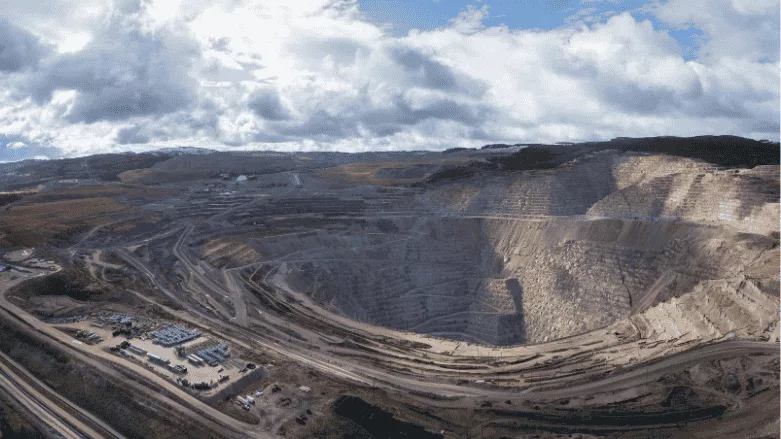
Image via edb3_16 from Getty Images Pro
Growing demand from EVs, energy systems and technology is reshaping global mining priorities.
Critical minerals are quickly becoming one of the most strategic resources in the global economy.
Materials such as lithium, nickel, cobalt, graphite, and rare earth elements sit at the center of modern technology — powering electric vehicles, renewable energy systems, smartphones, defense equipment, and data centers. As electrification expands worldwide, demand for those materials is rising sharply, pushing governments and investors to pay closer attention to the supply chains behind them.
Analysts estimate the global critical minerals market is already worth more than $350 billion, and projections suggest it could grow to $600 billion to $700 billion by 2030. Much of that growth is tied to accelerating electric vehicle adoption, battery storage deployment, and large-scale energy infrastructure investments.
Demand Outpacing Supply
The shift toward electric transportation and renewable energy has dramatically increased demand for battery materials. Minerals used in batteries and high-tech components are expected to see some of the fastest growth through the end of the decade.
That surge is already creating concerns about future supply shortages.
Mining companies, exploration firms, and investors are increasingly focused on expanding production, developing new deposits, and building processing capacity to keep up with demand. Recycling and secondary supply chains are also receiving greater attention as industries look for ways to recover valuable metals from used electronics and batteries.
Governments Move to Secure Supply Chains
At the same time, governments around the world are working to secure reliable supplies of these materials.
Many critical minerals are currently produced or processed in a small number of countries, raising concerns about geopolitical risks and supply disruptions. In response, several nations have introduced new funding programs, incentives, and industrial policies aimed at strengthening domestic production or sourcing materials from allied countries.
These efforts are intended to reduce reliance on vulnerable supply chains while supporting the long-term growth of industries tied to electrification and advanced manufacturing.
Exploration Activity Expands
The growing focus on critical minerals is also driving exploration activity across North America and beyond.
In Canada, North American Niobium recently submitted an application to Québec’s Ministère des Ressources naturelles et des Forêts for authorization to conduct impact-causing exploration work at its Bardy and Blanchette projects in the La Tuque region. The application is part of the province’s ATI permitting process, which is required before certain exploration activities — including diamond drilling — can begin.
As part of the process, the company has notified stakeholders in the surrounding area, including the Atikamekw First Nation of Wemotaci and the municipality of La Tuque, and plans to host an open information meeting with community members before any drilling takes place.
According to the company, the provincial review process could take roughly three months, though timelines may vary depending on feedback and project logistics.
New Projects and Drilling Campaigns
Elsewhere, exploration and development projects tied to critical minerals continue to move forward.
In the United States, NioCorp Developments recently released final assay results from its 2025 drilling campaign at the Elk Creek Critical Minerals Project in Nebraska, a deposit containing niobium, scandium, and titanium. The results are being used to update the project’s mineral resource and reserve estimates.
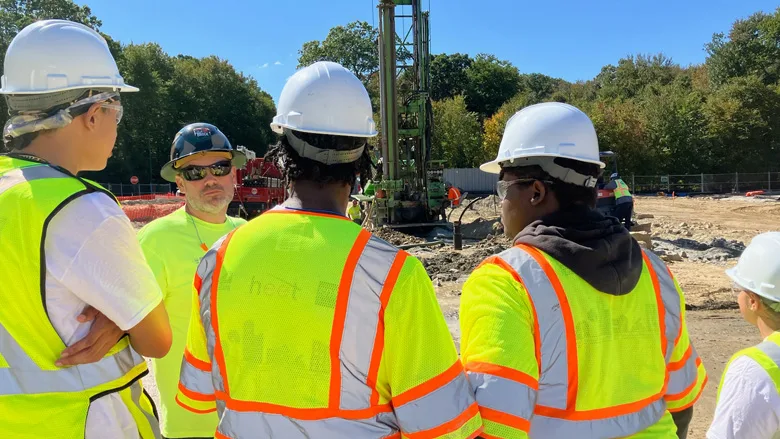
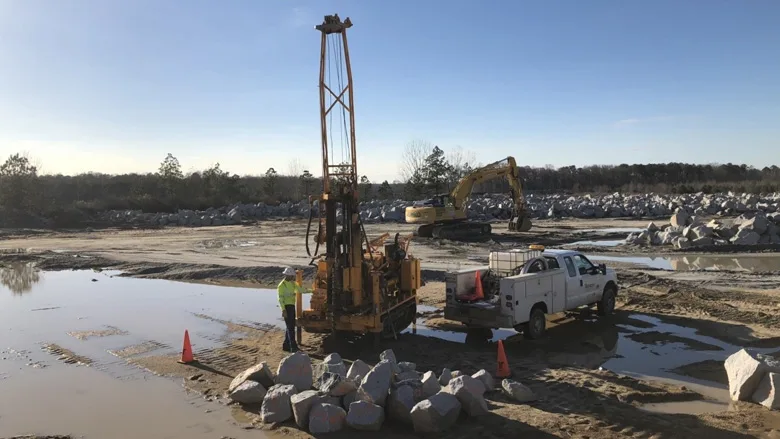
Another company, Apex Critical Metals, has begun preparations for its inaugural drilling program at the Rift Rare Earth Project, also located within the Elk Creek Carbonatite Complex in Nebraska. A drill rig has already arrived on site, and crews are completing access routes, drill pad construction, and other logistical work ahead of the program.
Meanwhile, American Tungsten Corp. reported new tungsten-silver assay results from underground channel sampling at its IMA Mine, along with surface samples suggesting extensions of tungsten mineralization beyond the primary mine area.
Large-scale producers are also continuing to advance their operations. MP Materials, one of the largest rare earth producers in North America, recently scheduled the release of its fourth-quarter financial results, highlighting the growing investor attention on the sector.
A Long-Term Growth Story
For investors and policymakers alike, critical minerals represent a long-term structural trend.
The materials underpin electric transportation, renewable energy deployment, and advanced electronics — sectors expected to expand rapidly over the next several decades.
As a result, mining companies, governments, and technology manufacturers are increasingly competing to secure reliable supplies. Exploration projects, processing facilities, and recycling initiatives are all part of a broader effort to meet the growing demand.
The race to secure critical minerals is no longer just about mining. It is becoming a central part of economic strategy, energy policy, and global technology development.
Looking for a reprint of this article?
From high-res PDFs to custom plaques, order your copy today!