2025 is Over - Now What?
A Transformative Year for the Drilling and Water Industries
As 2025 comes to a close, the drilling and water industries stand at a pivotal point, shaped by innovation, environmental awareness, regulatory challenges, and a heightened focus on sustainable infrastructure.
This year brought sweeping changes across the water well, geothermal, and construction drilling sectors, while the broader water industry grappled with emerging contaminants like PFAS, evolving standards, and growing demand for clean, accessible water. Below, we reflect on the key trends, events, and developments that defined the year.
Water Well Drilling: A Surge in Demand, but Not Without Challenges
The water well industry saw a surge in activity in 2025, largely driven by prolonged drought conditions in parts of the western United States, increased rural development, and a growing reliance on private water systems. Across the globe, water security has become a central issue, pushing both residential and agricultural stakeholders to invest in reliable groundwater access.
In North America, water well contractors reported high demand but also noted workforce shortages and supply chain challenges, particularly in pump components and specialized drilling equipment. Skilled labor remains a bottleneck, with companies ramping up recruitment and training programs to meet demand.
In response to climate variability, water well designs have become more robust and efficient. Smart pump systems, water monitoring sensors, and remote diagnostics tools are becoming standard in new installations. In regions like California, increased state-level regulation around well permitting and groundwater management led to delays in some projects, but also pushed the industry to collaborate more closely with hydrogeologists and policymakers.
Geothermal Drilling: The Energy Transition Accelerates
The push for decarbonization and electrification in heating and cooling systems drove exceptional growth in the geothermal drilling sector in 2025. Geothermal heat pump systems gained traction in residential and commercial construction, fueled by both government incentives and growing consumer awareness of energy efficiency.
Several states, including New York, Massachusetts, and Illinois, expanded rebate programs and regulatory support for geothermal projects, leading to a notable uptick in shallow loop system installations. Simultaneously, pilot projects for deep-borehole geothermal began gaining ground in select regions, with Europe and parts of Canada exploring this as a scalable alternative to fossil fuels for district heating.
Technological innovation played a key role. Drillers adopted new borehole casing materials designed to improve thermal conductivity, while directional drilling and closed-loop systems improved site viability and energy transfer. However, challenges remain in educating both the public and municipal decision-makers about geothermal's long-term cost savings and carbon footprint advantages.
Construction Drilling: Infrastructure Investments Pay Off
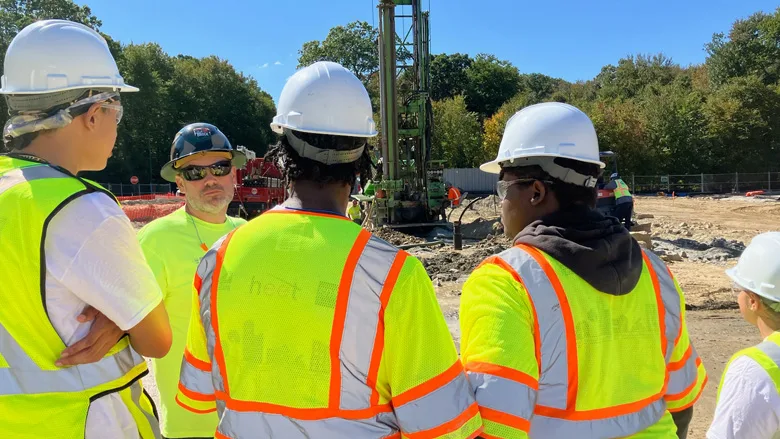
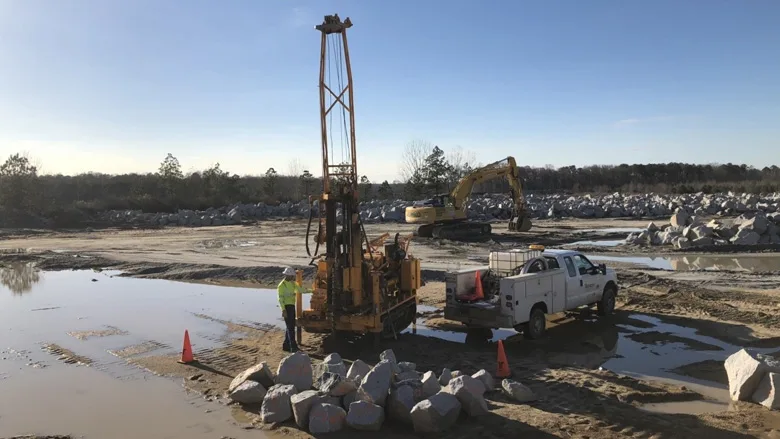
Federal infrastructure funding, particularly from the U.S. Infrastructure Investment and Jobs Act, continued to ripple through the construction drilling industry, spurring activity in bridge, highway, and utility projects. Demand for foundation drilling, horizontal directional drilling (HDD), and geotechnical investigations increased significantly.
Notably, 2025 saw wider adoption of automation and digital jobsite monitoring. Drillers integrated AI-assisted rig controls and GPS-based borehole mapping systems to reduce errors and enhance safety. In urban environments, where construction density poses logistical challenges, these innovations proved critical.
Environmental concerns also shaped construction drilling. Contractors increasingly had to comply with stormwater discharge permits, noise ordinances, and air quality standards. Best practices for drilling slurry management and fluid recycling became more prevalent, especially in large-scale HDD operations.
Water Industry Spotlight: PFAS and the New Era of Water Quality
While the drilling sectors surged ahead with infrastructure and technology, the water industry faced one of its most critical years yet, particularly around the management and remediation of per- and polyfluoroalkyl substances (PFAS), also known as "forever chemicals." These synthetic compounds, used in everything from firefighting foam to non-stick cookware, have been linked to adverse health effects and were a focal point of regulatory action in 2025.
In April, the U.S. Environmental Protection Agency (EPA) finalized national drinking water standards for six PFAS compounds, including PFOA and PFOS, setting Maximum Contaminant Levels (MCLs) at near-zero thresholds. The move should continue to send utilities, engineers, and drilling contractors into action, retrofitting treatment systems and exploring new aquifer remediation technologies.
Granular activated carbon (GAC), ion exchange resins, and high-pressure membranes like reverse osmosis became central tools in addressing PFAS contamination. However, concerns about the disposal of spent media and PFAS-laden concentrates remain unresolved, signaling a need for future innovation.
Water well contractors were also affected. In some areas, well drilling projects now require PFAS testing and monitoring as part of the permitting process. Private well owners in affected regions were advised to test regularly and consider point-of-use treatment options.
Note: PFAS concerns have started to influence permitting and guidance for water well drilling, particularly in PFAS-impacted regions. It’s not a nationwide, uniform mandate yet, but it’s a growing trend likely to expand as PFAS regulations evolve.
2025 marked a significant step forward in aligning drilling practices with groundwater sustainability goals. In the U.S., several states advanced their implementation of the Sustainable Groundwater Management Act (SGMA), creating closer collaboration between groundwater sustainability agencies (GSAs), farmers, and drillers.
Tools like managed aquifer recharge (MAR) and aquifer storage and recovery (ASR) received renewed interest. Drillers played a critical role in these projects, constructing recharge wells and monitoring infrastructure designed to balance seasonal groundwater extraction with replenishment.
Outside the U.S., countries like India and Australia launched new groundwater mapping initiatives and incentivized efficient irrigation techniques, recognizing that sustainable drilling is essential to long-term agricultural viability.
Looking Ahead to 2026
As the industry heads into 2026, several trends are expected to continue shaping the drilling and water landscapes:
Workforce Development: Addressing the skilled labor gap should be a top priority across sectors. Apprenticeships, digital training tools, and workforce retention strategies will expand.
Climate Resilience: Whether through drought, flooding, or heatwaves, climate change will drive demand for resilient water systems. Drillers and water professionals will need to think holistically about long-term infrastructure.
Data-Driven Drilling: Integration of real-time analytics, remote sensing, and automated rig controls will make drilling more precise and sustainable.
Tightening Regulations: PFAS and other emerging contaminants (e.g., microplastics, manganese) will remain under scrutiny, pushing innovation in water treatment and monitoring technologies.
Public Education: A more informed public will demand transparency around groundwater management, private well safety, and sustainable practices, placing new communication demands on contractors and agencies alike.
2025 was a watershed year for the drilling and water industries, marked by progress, pressure, and promise. The collective focus is shifting from simply drilling deeper to drilling smarter, with sustainability, safety, and stewardship as guiding principles. As we move into 2026, these industries are better equipped than ever to deliver clean water, renewable energy, and resilient infrastructure for a changing world.
Looking for a reprint of this article?
From high-res PDFs to custom plaques, order your copy today!

John Oldani is an editor, journalist, and reporter with over a decade of experience producing clear, engaging, and well-researched content. He holds a Bachelor of Arts in Journalism from Oakland University, with a focus on financial reporting, editing, and long-form writing. Over the past year, John has specialized in covering the drilling industry, reporting on key developments, policy shifts, and impactful stories shaping the field.
email: johnnyoldaniwords@gmail.com | office: (248) 838-8535