Gniezno Taps Into Geothermal Future as Drilling Confirms Promising Energy Source
Poland is betting big on hot rock geothermal.
Image via dzika_mrowka from Getty Images Pro
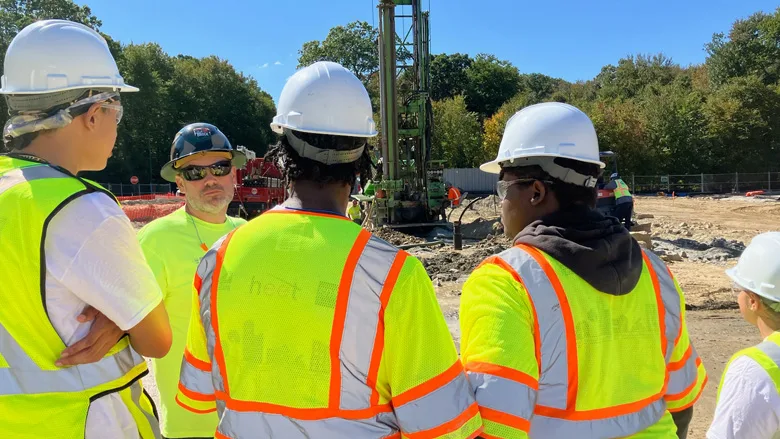
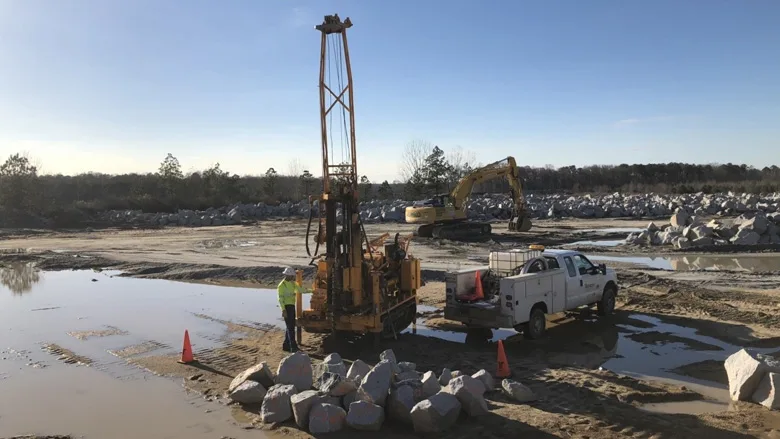
Gniezno, Poland – Deep beneath the historic city of Gniezno, something powerful—and green—is brewing. After nearly two years of work, Poland’s latest geothermal drilling project has struck hot water, quite literally, confirming the existence of geothermal resources that could reshape the city's energy future.
“Geothermal resources with temperatures of 75 degrees Celsius have been confirmed beneath Gniezno,” said Environment Minister Paulina Hennig-Kloska during a meeting with local authorities. “This provides opportunities for therapeutic and recreational activities, or for the generation of zero-emission thermal energy for the city.”
The exploratory drilling, which began in November 2023 and wrapped in September 2025, was part of a broader national push to harness underground thermal waters for energy, health, and tourism purposes. The Gniezno project received PLN 15.8 million (approx. USD 4.3 million / EUR 3.7 million) in funding from the National Fund for Environmental Protection and Water Management (NFEP&WM). It was backed under the government’s "Providing Access to Thermal Waters in Poland" programme, which fully subsidizes exploration for geothermal sources.
According to the NFEP&WM, tapping into geothermal energy could significantly reduce the city's reliance on fossil fuels, decrease greenhouse gas emissions, and ultimately cut heating costs for residents. "The use of geothermal energy in heating will reduce dependence on fossil fuels... and thus costs for heat to consumers," the fund emphasized in a statement.
While the hot water is flowing, the infrastructure isn’t quite ready yet. To make full use of the thermal well, absorption wells and technical installations still need to be built. The city is weighing several development options, including a geothermal heating plant or a recreational and medical complex centered around the thermal waters.
For Hennig-Kloska, the discovery is about more than just clean energy. “It’s a chance to connect environmental protection with tangible benefits for residents—cheaper energy, better quality of life, and a greener future,” she said.
Poland is betting big on hot rock geothermal. Between 2020 and 2028, the government has allocated PLN 708 million for geothermal exploration across the country—PLN 658 million of that in grants and another PLN 50 million in loans. And Gniezno may just be the first of many cities to benefit.
As the city examines its next steps, one thing is clear: geothermal energy is no longer a distant dream in Poland—it’s heating up right beneath their feet.
Looking for a reprint of this article?
From high-res PDFs to custom plaques, order your copy today!