Digging Deeper: Why Mental Health Matters in Drilling and Construction

Image via Evrymmnt from Getty Images
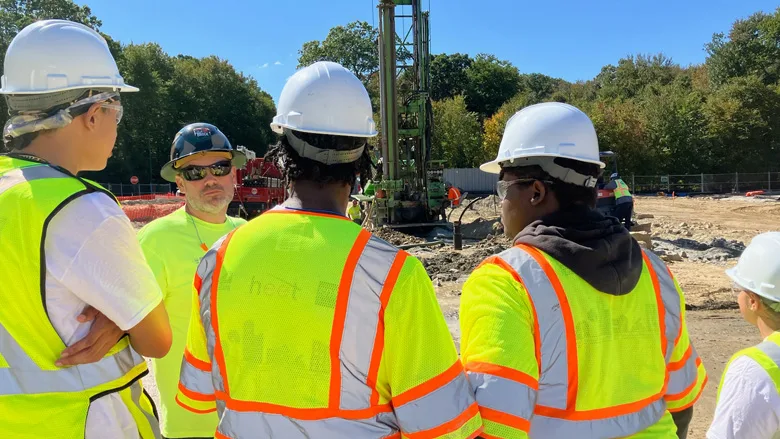
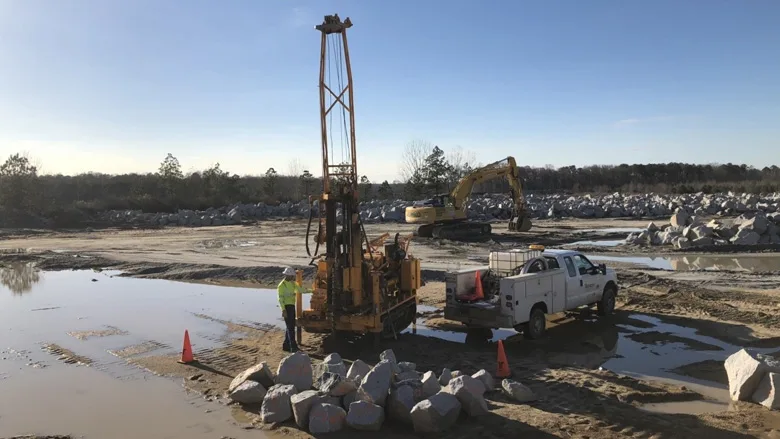
When most people picture a drilling crew or a construction site, they think of heavy steel, roaring engines, and long days in the mud—not mental health. But the truth is, some of the toughest work happens inside our own heads.
Today is World Mental Health Day - but it is more than a date on the calendar. It’s a reminder that behind every rig, trench, or geothermal loop is a crew of people whose well-being keeps the work moving forward. The day’s mission—raising awareness and mobilizing support for mental health—hits especially close to home in the trades, where stress, isolation, and fatigue can run as deep as the wells we drill.
I’ve lost two people close to me to suicide, so this topic carries personal weight. Though he wasn’t a driller, Greg Gmenier was a proud Marine, earning the rank of Sergeant and bringing a lift in morale to everyone around him. He deserves to be remembered for that spirit—and as a reminder of why these conversations matter.
Breaking the Silence in the Trades
In the drilling and construction world, it’s easy to shrug off stress. “Just push through” has been the unofficial motto for decades. But high-pressure deadlines, unpredictable weather, and physical strain take their toll. Long hours away from home and the weight of running a business can quietly pile up, too.
- “Expect to be away from your family, you will be with your crew more than your family sometimes. If you stick with it through the ups and downs you can become very successful,” driller Tad Thorton told me.
- An anonymous driller said, “Show up early, work harder than anyone else, and don’t be the guy who complains. The rig doesn’t care about your excuses - just results.”
Drillers often pride themselves on a mindset built on grit and accountability, the backbone of this industry. But it can also make it hard to speak up when things feel heavy. In a world where toughness is expected, admitting you’re struggling can feel like breaking code.
Mental health challenges don’t always look like breakdowns—they can look like burnout, short tempers, or a loss of drive. And while hard work builds strong foundations, silence doesn’t.
A Jobsite Shift in Culture
Across the trades, more leaders are starting to treat mental health the same way they treat job safety—something that needs constant attention. Toolbox talks are starting to include more than just PPE and lockout/tagout. Some companies now offer employee assistance programs, peer check-ins, or mental health first aid training.
The goal isn’t to replace toughness—it’s to redefine it. The strongest workers are the ones who know when to speak up, ask for help, or check on their crew.
How We Can All Help
Whether you’re a driller, engineer, contractor, or supplier, mental health awareness starts with small steps:
- Check in with your crew beyond the job.
- Model balance—take time off, rest, and make it visible.
- Share resources for counseling, hotlines, and peer support.
- Talk about it—the more it’s discussed, the less stigma sticks.
Drillers dig deep for a living—through rock, clay, and chaos. This World Mental Health Day, let’s remember to dig deep for each other too. Because keeping water flowing, energy moving, and foundations strong starts with taking care of the people holding the tools.
If you or someone you know is struggling, reach out. In the U.S., you can call or text 988 for free, confidential mental health support anytime.
Looking for a reprint of this article?
From high-res PDFs to custom plaques, order your copy today!

John Oldani is an editor, journalist, and reporter with over a decade of experience producing clear, engaging, and well-researched content. He holds a Bachelor of Arts in Journalism from Oakland University, with a focus on financial reporting, editing, and long-form writing. Over the past year, John has specialized in covering the drilling industry, reporting on key developments, policy shifts, and impactful stories shaping the field.
email: johnnyoldaniwords@gmail.com | office: (248) 838-8535