Beavers, Ballots, and Big Paychecks: Palmer Lake Rebels Against Buc-ee’s
But Let’s Talk About Wages, Too
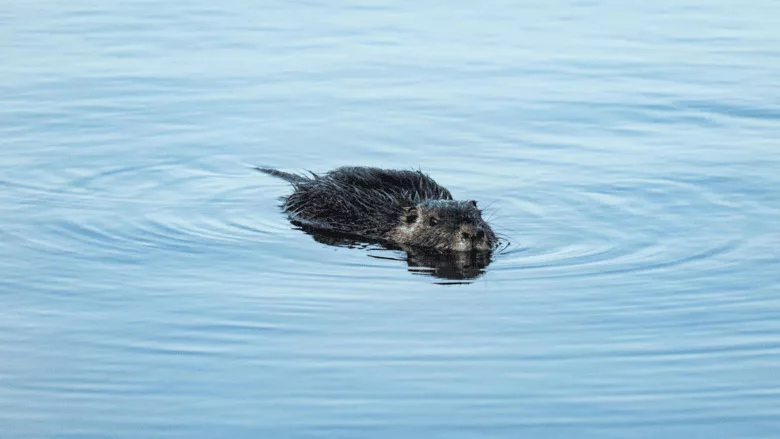
In the sleepy mountain town of Palmer Lake, Colorado, population ~2,800 and rising tension, a cartoon beaver has become the most polarizing figure since... well, maybe ever.
The debate over a proposed Buc-ee’s travel plaza just outside town limits has stirred up more drama than a high school production of Les Misérables, and if preliminary election results hold, two town trustees are about to be voted off the island.
Early counts from Tuesday’s election show residents overwhelmingly want to recall Kevin Dreher and Shana Bell, two trustees seen as cheerleaders for the Buc-ee’s annexation plan. Voters also passed a measure to give themselves final say over future annexation proposals, meaning no more surprise megaplexes unless the townsfolk say, “Yup, bring on the brisket.”
And yes, the election came down to a gas station.
But not just any gas station.
Meet Buc-ee’s: Gas Station, Mega-Mart, and Wages That’ll Make a Roughneck Blush
If you’ve never heard of Buc-ee’s, imagine a convenience store had a baby with a Texas-sized theme park, and that baby really loved beaver-themed branding. The Johnstown location—a short drive north—features a 74,000-square-foot store, 116 fuel pumps, endless BBQ, and bathrooms so pristine they deserve a Yelp page.
Also: Buc-ee’s pays well. Like, really well.
Entry-level cashier and food service wages often start between $17 and $20 an hour, with full benefits, 401(k) matching, and PTO—even for part-time workers. That’s more than some construction jobs and even some oilfield gigs in rural areas, which might explain why the beaver has become a secret darling in parts of the blue-collar world.
In rural economies where paychecks often rely on unpredictable gig work—like drilling or seasonal construction—Buc-ee’s steady, above-average wages are enough to make even a grizzled pipeline foreman raise an eyebrow. Especially when those paychecks come with brisket breaks and clean restrooms instead of diesel fumes and porta-potties.
Residents like Angela and Darren Fike, who live just outside Palmer Lake limits but near the proposed Buc-ee’s site, say they moved to the area for the peace, the wildlife, and the dark skies—not for what Angela calls “a cartoon beaver lit up by stadium lights.”
“That's why we bought it,” she said, describing deer-filled yards and quiet mountain nights. “We've enjoyed having the picturesque scenery.”
That’s a far cry from 18-wheelers and brisket smoke.
The Fikes say they’ve spent most of their retirement defending that vision. “It was essentially like, wow, this is like a full-time job,” Darren said of their grassroots organizing. “We spend the vast majority of our time trying to figure out how to help the cause.”
The cause, of course, being: Keep Buc-ee’s out of Palmer Lake.
With recall votes trending toward success and residents demanding more say in annexation decisions, Buc-ee’s path forward in Palmer Lake looks rougher than a two-lane road in mud season.
Board member Atis Jurka summed it up: “We're a small-town community. We're not enamored of big box stores, national franchises. We like small mom-and-pop operations, the look and feel of a quiet little mountain town dedicated to hiking trails.”
Meanwhile, his wife, Nancy Jurka, reflected on the bitter debate: “It’s just all this wild human nature that erupted over a gas station and beaver nuggets.”
Honestly, that’s the quote of the year.
Wages vs. Wildlife: A Familiar Rural Dilemma
At the core of Palmer Lake’s Buc-ee’s debate is a familiar rural paradox: Economic opportunity vs. preserving character. For all the fears of traffic, noise, and light pollution, the not-so-secret appeal of Buc-ee’s is financial—steady jobs in a market where many folks drive 30 miles just to pour concrete or haul pipe.
That’s not an easy trade-off to make. And while Palmer Lake may have temporarily slammed the brakes on the Buc-ee’s bus, other towns along the I-25 corridor might be happy to roll out the red carpet. With wages that rival or beat many local industries, the beaver is bound to find another home.
For now, Palmer Lake has voted for quiet skies and cautious growth. But in a region where affordable jobs with good benefits are often harder to find than an uncrowded trailhead, don’t be surprised if Buc-ee’s—and what it represents—keeps coming up in future ballots.
Because in 2025 rural America, it turns out the biggest question isn’t red vs. blue.
It’s: Brisket or black bears?
Looking for a reprint of this article?
From high-res PDFs to custom plaques, order your copy today!

John Oldani is an editor, journalist, and reporter with over a decade of experience producing clear, engaging, and well-researched content. He holds a Bachelor of Arts in Journalism from Oakland University, with a focus on financial reporting, editing, and long-form writing. Over the past year, John has specialized in covering the drilling industry, reporting on key developments, policy shifts, and impactful stories shaping the field.
email: johnnyoldaniwords@gmail.com | office: (248) 838-8535