Ask Brock: How Do We Stay Safe When the Job Never Cools Off?
Working Smart in the Dog Days of Summer
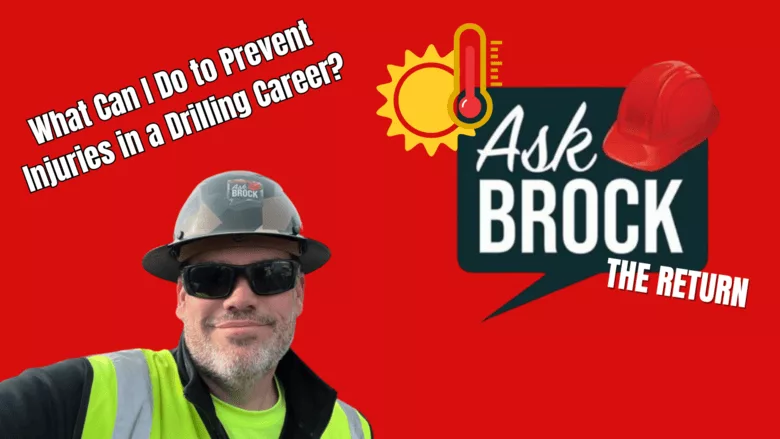
Welcome back to Ask Brock, the series where we tackle the toughest—and sometimes sweatiest—questions facing drillers today.
In previous episodes of the rebooted edition (in written form), we’ve talked about why policy matters even when groundwater isn’t named, and why the next generation of drillers needs to see this work as vital. Now we’re taking on something personal, physical, and very present: safety in the heat of summer — and safety in general. Here’s a modern update focused on working in the heat since it’s August.
What Can I Do to Prevent Injuries in a Drilling Career? This question was asked on August 18th, 2021 in this episode.
It’s a question every driller—rookie or veteran—should ask. And as temperatures hit record highs across the country, it's not just about comfort. It's about survival.
Here’s what Brock had to say:
“For some reason, we have this culture that says, to get the job done, you have to suffer a little. Push through the pain. But that’s not sustainable—and it’s not smart.”
Let’s be clear: The job is hard. It’s physical. It’s often remote. But pain and burnout shouldn’t be badges of honor. They should be red flags.
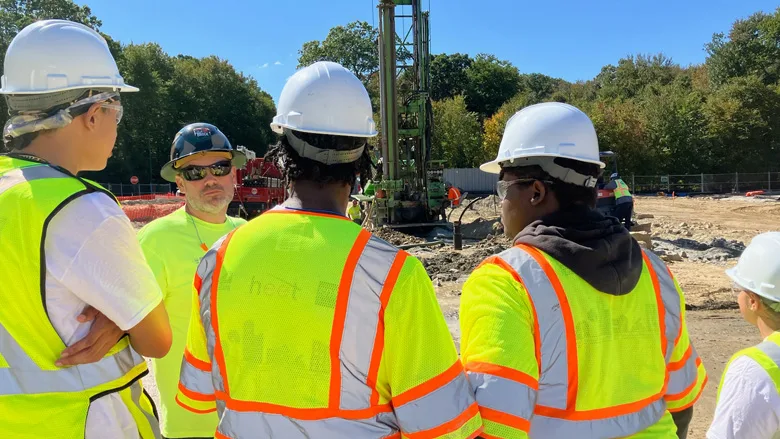
Brock has spent years training drill crews, and he’s seen it all—from back strains and heat stroke to hearing loss and missing fingers. The veterans carry the scars. The smart ones want to pass on something better.
Heat Doesn’t Care How Tough You Are
August is brutal. It’s the season where a lunch break can feel like survival triage, and metal tools can leave actual burns.
The solution isn’t just hydration (though that’s a big part of it). It’s about changing how we approach the job itself.
Here are a few heat-smart takeaways:
-
Stop normalizing overexertion. Fatigue leads to poor decisions. Poor decisions lead to injuries.
-
Lift like a professional. Use your legs. Use tools. Use help. Back injuries aren’t a rite of passage—they’re preventable.
-
Take actual breaks. Not “grab a water and keep moving” breaks. Real rest. Real shade.
-
Watch for signs of heat exhaustion. If someone’s getting quiet, clumsy, or confused—they need help, not heroics.
- Plan smarter. Start early. Rotate crews. Treat safety like productivity—it’s part of the job, not a speed bump.
“You’re Not Paid to Be Tough. You’re Paid to Be Safe.”
The best drillers aren’t necessarily the fastest. They’re the ones who know how to work smarter, lift safer, and think ahead. And the ones who can do that for 30 years—injury-free? They’re the ones who lead.
This isn’t just a summer issue. It’s a cultural one. Brock says that we need to stop glamorizing pain and start honoring professionalism. Because the work you do matters—but it’s not worth sacrificing your body for. So the next time you’re out there sweating through your shirt at 9 a.m., remember: heat doesn’t care how tough you are. But safety does.
Looking for a reprint of this article?
From high-res PDFs to custom plaques, order your copy today!

John Oldani is an editor, journalist, and reporter with over a decade of experience producing clear, engaging, and well-researched content. He holds a Bachelor of Arts in Journalism from Oakland University, with a focus on financial reporting, editing, and long-form writing. Over the past year, John has specialized in covering the drilling industry, reporting on key developments, policy shifts, and impactful stories shaping the field.
email: johnnyoldaniwords@gmail.com | office: (248) 838-8535


Brock Yordy, Director of Industry Engagement for The Driller, is a third-generation driller and globally recognized subject matter expert who has written for The Driller since 2013. Driven by a passion for industry education and digital media, he anchors The Driller Newscast and hosts weekly podcasts for the trade. His technical authority is backed by decades of extreme fieldwork worldwide for organizations like Halliburton, SUEZ, and the U.S. Government. Dedicated to ensuring clean water for all and advancing equitable geothermal heating and cooling, Brock actively collaborates with states nationwide through The Developed Well Group and the Geothermal Drillers Association to shape policy, safety, and workforce training.
email: brock@thedriller.com | office: (269) 348-5156